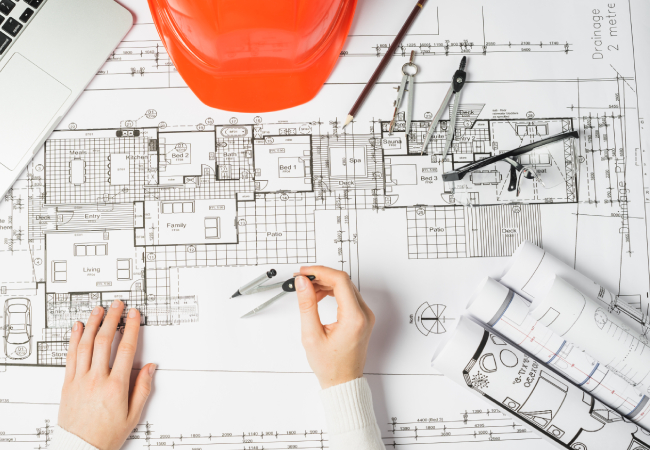
Constructing residential houses and commercial buildings involves a comprehensive scope that encompasses various stages from planning and design to construction and finishing. Here's an elaborate breakdown of the scope involved Pre-Construction Phase: Feasibility Study: Assess the viability of the project considering factors such as market demand, location, budget, and regulatory requirements. Site Selection: Identify suitable land for residential development, considering factors like accessibility, utilities availability, zoning regulations, and environmental impact. Permitting and Approvals: Obtain necessary permits and approvals from local authorities, including zoning permits, building permits, environmental clearances, and land use approvals. Design and Planning: Architectural Design: Collaborate with architects to design the layout and floor plans of the residential houses, considering factors such as functionality, aesthetics, local building codes, and client preferences. Structural Design: Engage structural engineers to design the structural framework of the houses, ensuring structural integrity and compliance with safety standards. Interior Design: Develop interior design concepts for the houses, including finishes, fixtures, and appliances, to meet the needs and preferences of future occupants. Utilities Planning: Plan the installation of essential utilities such as water supply, sewerage, electricity, heating, ventilation, and air conditioning (HVAC) systems. Construction Phase: Site Preparation: Clear the site, grade the land, and prepare the foundation for construction. Foundation Work: Construct the foundation of the houses, which may include slab-on-grade, crawl space, or basement foundations, depending on site conditions and design requirements. Structural Work: Build the framework of the houses, including walls, floors, and roof structures, using materials such as wood, steel, or concrete. Exterior Finishing: Install exterior finishes such as siding, roofing, windows, and doors to provide weather protection and enhance curb appeal. Interior Finishing: Complete interior finishes such as drywall, flooring, paint, trim, cabinetry, countertops, and fixtures to create functional and aesthetically pleasing living spaces. Utilities Installation: Install plumbing, electrical, HVAC, and other utilities according to design specifications and building codes. Landscaping: Develop outdoor spaces, including lawns, gardens, driveways, pathways, and hardscape features, to enhance the overall appeal and usability of the residential properties. Quality Assurance and Control: Implement quality control measures throughout the construction process to ensure that workmanship, materials, and installations meet established standards and specifications. Conduct inspections at various stages of construction to identify and address any defects, deficiencies, or deviations from the approved plans. Post-Construction Phase: Final Inspections and Approvals: Obtain final inspections and approvals from regulatory authorities to certify that the residential houses comply with all applicable codes and regulations. Punch List and Rectification: Address any remaining issues or deficiencies identified during final inspections through a punch list process, ensuring that all aspects of the construction meet the required standards. Handover and Occupancy: Transfer ownership or possession of the residential houses to the buyers or occupants upon completion of construction and satisfactory fulfillment of contractual obligations. Throughout the entire process, effective project management, coordination among stakeholders, adherence to timelines and budgets, and commitment to quality are critical for the successful construction of residential houses. The scope of civil contracts is broad, covering a wide range of construction projects and related activities within the civil engineering domain. Here's an elaboration on the typical scope of civil contracts Project Planning and Design: Feasibility Studies: Conduct preliminary assessments to determine the viability of the project, considering factors such as site conditions, environmental impact, and cost estimates. Design Development: Collaborate with architects, engineers, and other stakeholders to develop detailed design plans and specifications for the project, including structural, mechanical, electrical, and architectural aspects. Site Preparation: Clearing and Grading: Clear the construction site of vegetation, debris, and obstacles, and prepare the ground for construction activities. Earthworks: Excavate, fill, and compact soil to achieve desired elevations and contours, ensuring proper drainage and stability. Construction Execution: Structural Work: Build foundations, walls, columns, beams, slabs, and other structural elements using appropriate materials and construction techniques. Infrastructure Installation: Install utilities such as water supply, sewerage, drainage, electrical conduits, and telecommunications networks according to design specifications. Road and Pavement Construction: Construct roads, highways, bridges, and pavements, including grading, paving, and surfacing works. Landscaping and Beautification: Develop landscape features such as gardens, parks, walkways, and recreational areas to enhance the aesthetic appeal and usability of the project site. Structural Reinforcement: Implement measures to strengthen and protect structures against natural disasters, environmental hazards, and wear and tear. Quality Assurance and Control: Inspections and Testing: Conduct regular inspections and testing of materials, workmanship, and installations to ensure compliance with specifications and standards. Quality Management: Implement quality control measures to identify and address defects, deficiencies, and deviations from the contract requirements. Documentation and Record-Keeping: Maintain accurate records of construction activities, test results, and compliance documentation for reference and verification purposes. Safety and Environmental Compliance: Safety Measures: Implement safety protocols and procedures to protect workers, equipment, and the public from hazards and accidents. Environmental Management: Mitigate environmental impacts through measures such as erosion control, waste management, pollution prevention, and habitat preservation. Project Management and Coordination: Scheduling and Progress Monitoring: Develop construction schedules, allocate resources, and track progress to ensure timely completion of the project. Contract Administration: Manage contractual obligations, payments, change orders, and disputes in accordance with the terms and conditions of the contract. Stakeholder Communication: Facilitate communication and collaboration among project stakeholders, including clients, consultants, contractors, suppliers, and regulatory agencies. Handover and Closeout: Final Inspections and Acceptance: Conduct final inspections to verify completion and compliance with contract requirements before handing over the project to the client. Commissioning and Testing: Test and commission systems and equipment to ensure proper functioning and performance. Documentation and Training: Provide the client with as-built drawings, operation manuals, maintenance schedules, and training for operating and maintaining the project facilities. By encompassing these elements, civil contracts ensure the successful planning, execution, and delivery of various infrastructure and construction projects while meeting quality, safety, and environmental standards.



.jpg)